SimLab
Educational  uests
uests
Educational Quests are free, game-like VR experiences that run seamlessly on all platforms, designed to captivate students and ignite their curiosity. These immersive adventures transform traditional learning into exciting, interactive journeys where students actively think, explore, and engage.
You can be part of this transformative journey by collaborating with SimLab to create these innovative experiences. Whether you’re an educator, student, or enthusiast, your ideas can help shape the future of education.
Samples of Our Educational Quests
Explore examples of our educational quests to help you understand the concept and how they transform learning into interactive, engaging experiences.
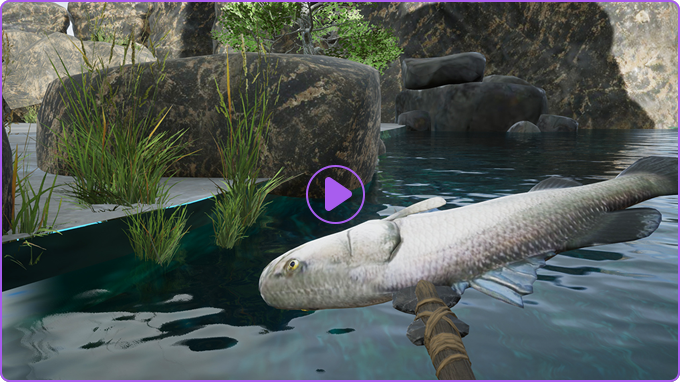
Journey to the Stone Age
Travel back in time to the Stone Age and explore the lives of early humans. Solve puzzles, gather resources, and witness the dawn of innovation in this immersive, interactive adventure.
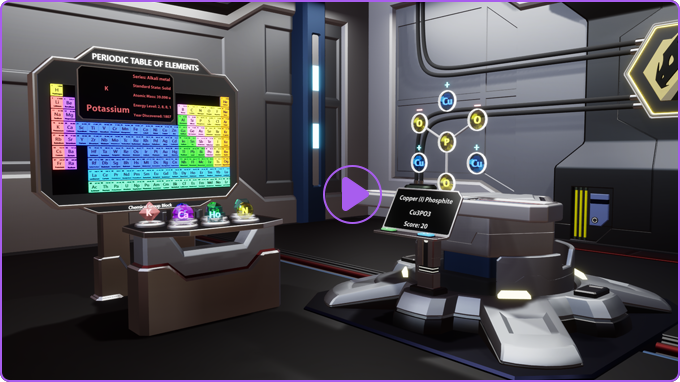
Ignite the Magic of Chemistry
Step into a futuristic lab where science meets adventure. Decode compound names and assemble the right elements to create requested substances in this hands-on chemistry challenge!
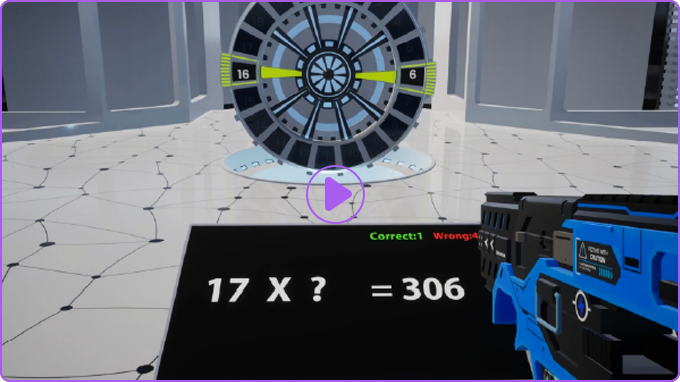
Embark on Math Adventures
Sharpen your aim and your math skills! Solve equations and hit the correct answer on a spinning wheel in this fast-paced, interactive math game.
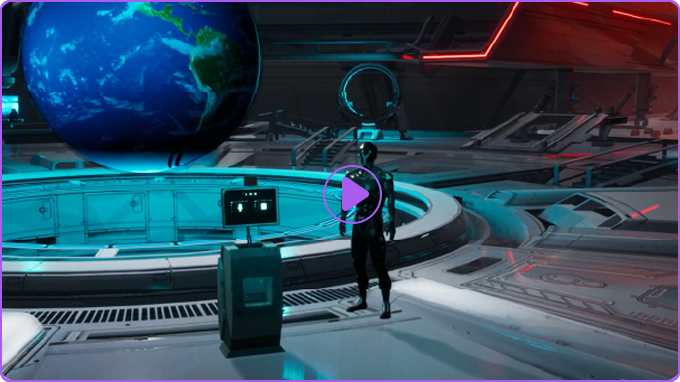
Debate with AI
Face off against an alien adversary in a high-stakes debate to protect humanity. Use AI-powered assistance to craft compelling arguments and outwit your extraterrestrial challenger!
How to Submit a Practical Educational VR Quest Idea
To ensure your idea can be transformed into an engaging and educational VR experience, follow these simple steps.
 (1).gif)

Identify the Lesson

Start with a specific topic or concept that is currently being taught in the classroom. Your VR quest should enhance or reinforce this lesson by giving students a fun and immersive way to practice what they’ve learned.
Example: Teaching chemical bonding and molecular structures in a chemistry class.

Create the Story
Design a story that integrates the lesson naturally into an interactive and engaging VR experience. The story should fit with the educational content and make the lesson come to life in a new, exciting way.
Example: The student enters an engaging virtual environment with the periodic table displayed on the left. They select elements from the periodic table and place them in the correct positions to create specific chemical compounds. Students have 10 minutes to complete their task, earning points for accuracy and speed. With each successful compound, they unlock new challenges and more complex structures.


Add Measurable Elements
Design the quest with measurable components to track progress and enhance engagement. Incorporate elements like scores, time limits, or levels to make the experience more structured and rewarding. These features help students stay motivated and allow teachers to assess performance effectively.
Example: Students solve math equations within a virtual space, racing against a 10-minute timer. Each correct answer earns points, and bonus points are awarded for streaks of consecutive correct solutions. As they progress, the equations become more complex, and leaderboard rankings add a layer of competition to keep students engaged.


Join the Quest
Select the role where you can contribute and help shape the quest